老铁们,大家好,相信还有很多朋友对于在发酵中怎么形容活力好和干撒式发酵床和活力发酵床对比哪个好的相关问题不太懂,没关系,今天就由我来为大家分享分享在发酵中怎么形容活力好以及干撒式发酵床和活力发酵床对比哪个好的问题,文章篇幅可能偏长,希望可以帮助到大家,下面一起来看看吧!
本文目录
个人认为干撒式发酵床操作更简单方便,垫料更薄,使用寿命更长些。最终决定权还是看你自己,我给你提供一个选择菌种的方法,希望能帮到你。
1、选择天然复合型菌种。发酵床内是一个很复杂的生态系统,因而无论是单一菌种还是某一两种单一菌种“机械性”组合结合,均远远不能适应发酵床中不同部位不同季节的温度、湿度、通气性、酸碱度等复杂多变情况,运行三两个月后极易造成菌种大部分甚至全军覆没的“死床”现象,使整个发酵床报废,用户的时间及经济损失惨重,经销商与厂家的信誉大损。做发酵床千万不能急功近利,所谓“复合菌种”,决不能用某几个单一菌种机械相加“复合”了事,最好要用天然复合菌种,如金宝贝干撒式发酵床专用菌种,天然复合菌种历经数万年自然磨合,能“相生不相克”,能相互配合协同作战,而机械型复合的菌种可能导致各菌种内部拮抗、冲突、内耗,失败的风险极大。
2、选择活力强大的菌种。实验室制作或土法自制的菌种活力较差而且不稳定,此时行彼时不行,此地行彼地不行,三两个月行而半年一年又不行了,南方行的北方又不行等。因而要选专业厂家生产的发酵床专用菌种,专业公司生产的菌种经过筛选、提纯、复壮等多道工序,菌种功能强大,且性能长期稳定可靠,操作起来一般不会出现因人而异的情况。菌种的剂型要合适,一般来地说,粉剂固体类菌种如金宝贝干撒式发酵床发酵菌种,其休眠功能极好,活力及抗逆性极强,易于保存和运输,常温下可保存三年以上,做好的床几个月不进动物仍可正常启动,同时粉剂型还可以分批次在不同时间转入活化状态进行工作,只有外界条件合适时才从休眠状态转入活化状态,不会因一时条件不适合发酵而导致菌种死亡。
3、选择操作简单的菌种。如果做床太繁琐、太麻烦,一是时间上耗不起,成本高昂,而且易出错;二是不便于学习和推广传播,不便于经销。用金宝贝发酵床发酵菌种制作发酵床只需要发酵床菌种和垫料,无须其他,只要将金宝贝菌种按1:5的比例加上麸皮或玉米粉、米糠,不加水混合均匀,再均匀干式撒入垫料中,将垫料铺到50厘米即可,操作真正“傻瓜化”,极易成功,不易失败,也便于经销商代理商进行推广。
4、选择临床实践长的菌种。要问厂家何时进入这个行业,没个两三年临床实践经验只能算凑热闹不能算入门了,质量稳定更是大问号。在选用一种产品之前先了解一下这个厂家的产品有多少用户,有哪些经销代理商。一般来说,用户越多且分布越广的产品代表性越强,用起来越安全;经销代理商越多、口碑越好的,这个产品越可靠。不象西瓜或口香糖饼干之类的消费品,一吃便知优劣,发酵床产品及相关技术一般要经几年示范推广才能下 ,要经得起市场以及时间的考验,所以选择发酵床产品时不能贪图一时便宜,一定应该谨慎行事,避免受到重大损失。金宝贝干撒式发酵床临床成功经验长达8年以上,是养殖户和代理商首选的产品。
5、选择媒体报道过的菌种。真正好的技术和产品总会很快为广大用户所了解,发酵床养殖技术也不例外,而真正的好产品口碑自然不会坏,媒体也会正面进行宣传报道。如果报刊杂志上网站等各种媒体的广告宣传均见不到,向用户或一般百姓打听均说没听见过的,那么,这个厂家或产品可能是新的或很一般的。当然也不能片面听信某些非法小报刊杂志的夸大或欺骗性的宣传,应注意甑别,要选择一些口碑较好影响力较大的媒体来了解这一技术与产品。
6、选择总成本投入最低的。发酵床的成本包括发酵菌种成本和有机垫料成本,有的技术还包括使用过程的维护成本,选择某项产品时要考虑综合成本,所以不要只听某菌种单价,有的菌种可能不要花钱,但自行生产或制作的时间及成本费用远远高于选购专业菌种。发酵床的制作总成本包括很多方面,应综合计算,如菌种的单价、每平方米的用量、每克有效功能活菌数、菌种的存活时间与添补周期、垫料的易得性与成本费用,配合辅料的种类数量与费用金额、营养液的成本、日常维护的繁简性及费用成本、人工成本、失败风险成本等。有的菌种单价很便宜,但各种营养液、氨基酸、添加剂以及过多过厚的垫料、辅料等等,操作繁琐且不说,其总成本早已让用户不堪重负。在同等品质的情况下,总成本越低、操作越简单的发酵床菌种更具优势。金宝贝干撒式发酵床其专业菌种活性强,制作与日常维护均极其简单,无须辅料无需其他营养液,而且养猪垫料只需50厘米,鸡鸭鹅等仅需40厘米厚,总成本低而其性价比远优于同类产品,寿命长达3~5年,是值得用户或经销商信赖的专业品牌。
比较长,而且超级全。中英双语版
以下术语只列出了一部分,按英文字母(a~z)排列:
A
Acetic Term applied to wines which have undergone acetification and to the odour of such wines.
醋酸的:用于描述发生醋酸化的葡萄酒,以及此类葡萄酒所散发出的气味。
Acid. Term applied to a wine containing an excessive amount of acid, usually a wine made from grapes not completely ripe.
酸:用于描述含有过量酸的葡萄酒,通常是因为原料葡萄没有完全成熟。
After taste. Tate left in the mouth by wines after they have been tasted.
后味:品尝后葡萄酒留在口中的味道和感觉。
Agreable. Pleasant character of a well-balanced wine.
惬意的:一款平衡良好的葡萄酒所包含的宜人特征。
Amber. Colour of a wine resembling that of amber.
琥珀色:葡萄酒所具有的类似琥珀的颜色。
Astringent. The characteristic flavour of wines which produces an unpleasant chemical stimulus in the mouth, due to an excessive level of ethyl acetate.
涩的、收敛性的:葡萄酒中乙酸乙酯含量过高时的典型特征,给口腔带来一种不适的化学刺激感。
Aroma. The odour of wines. Primary aroma is derived from the grapes. Secondary aroma derives from fermentation. Tertiary aroma(bouquet) develops during maturation and aging.
香气、果香:葡萄酒的气味。基本的香气来自葡萄果实,次级香气来自发酵过程,而第三层香气(酒香)在葡萄酒的成熟与陈酿过程中发育。
Aromatic. Term applied to wine with a very pronounced aroma, usually made from grapes with aromatic flavour and aroma such as the Muscats.
果香的:用于描述蕴含着极显著果香的葡萄酒,这些葡萄通常是以果香浓郁的葡萄如各种玫瑰香型的葡萄酿制。
B
Blind tasting. Tasting wines of which the origin and identity are not previously disclosed to the tasters.
盲品:不事先告诉品尝者葡萄酒来源及身份的品尝。
Bitter. Taste that causes an unpleasant and persistent sensation of acridity in the mouth due, in particular, to certain polyphenols.
苦的:一种引起口腔持久苦感的不适味道,特别由多酚等物质引起。
Body. The character imparted to a wine which is rich in dry extract, vinous and complete.
酒体:提取物丰富、酒性饱满、完满的葡萄酒所具有的特征。
Bouquet. Odoriferous quality of a wine, particularly the odour of fine wines acquired during aging.

陈香、酒香:葡萄酒的香气质量,尤其指高档葡萄酒在陈酿过程中所获得的香气。
Brilliant. Term applied to wines, particularly white wines, which are free of any visible suspended matter and have a sparkling clarity
闪亮的:用于描述葡萄酒尤其是白葡萄酒中没有任何肉眼可见的悬浮物质,表现闪闪发亮的澄清特征。
Butyric. Rancid odour of some spoiled wines.
坏奶油味的:描述一些破败葡萄酒所散发出的腐臭气味。
C
Casky taste, woody taste. Taste imparted to wines during storage in new or badly kept casks, by substances extracted from the wood of the containers.
橡木桶味、木头味:当葡萄酒在新橡木桶或保存不好的橡木桶中存放时,由容器木料中溶解出的物质赋予葡萄酒的味道。
Cleared. Term applied to a wine which was deposited itssuspended material and become clear.
澄清过的:用于描述沉淀出其中的悬浮物质后变得澄清的葡萄酒。

Cooked taste. Taste acquired by must or wine when heated to high temperatures, particularly if heated in the presence of air. Aroma or taste coming from grape crops which are over ripe.
烹烤味:当葡萄汁或葡萄酒在高温下加热,尤其是在与空气接触的条件下加热时所产生的一种口感。也指来自过熟的葡萄的香气和口感。
Corked taste, corkiness, corky. Taste imparted to bottled wines by defective or mouldy corks.
酒塞味:装瓶后的葡萄酒由于酒塞低劣或发霉变质而带上的味道。
D
Decanter: A special glass bottle, usually glass-stoppered, used for serving wine that has been removed from its original container, in order to facilitate the perception of its aroma.
醒酒瓶:特殊的玻璃瓶,通常配有玻璃塞,用于供应从原来的包装瓶中倒出的葡萄酒,以促进对葡萄酒香气的欣赏。
Delicate. Term applied to the flavour and aroma of some fine wines. A delicate wine is light, well-balanced and soft.
精雅的:用于描述一些优质葡萄酒的风味和果香。精雅的葡萄酒轻盈、平衡良好而柔和。
Dull. Term applied to wines which have a distinct colloidal haze, but which are free of visible suspended material; hazy. Wine with faint turbidity.
暗淡的、沉滞的:葡萄酒中含有明显的胶状薄雾,但不存在肉眼可见的悬浮物质。朦胧的:葡萄酒表现轻微的浑浊。
E
Earthy taste. Special taste resulting from the type of soil on which the grapes were grown.
泥土味:由栽培葡萄的土壤类型所赋予葡萄酒的特殊口味。
F
Fine. Term applied to wines of high quality.
细腻的:用于描述具有高品质的葡萄酒。
Flavour. Impression given by must or wine when taken into the mouth.. Includes sensations gained by the taste organs and also by the olfactory receptors.
风味:品尝对葡萄汁或葡萄酒的总体印象。既包括味觉器官所获得的感受,也包括嗅觉所获得的信息。
Flowery. Aroma of a wine which suggests the perfume of a flower, especially in young wines.
花香的:葡萄酒尤其是年轻葡萄酒中令人联想起花朵芬芳的香气。
Flinty odour. A characteristic odour taste of some dry wines made from grapes grown on certain siliceous soils.
燧石般的气味:某些干葡萄酒的典型气味,它们以在高硅酸盐土壤中生长的葡萄酿制。
Fragrance. Term applied to a well developed and pleasing aroma.
芬芳:用于描述发育良好而令人愉悦的果香。

Fragrant. Term applied to wines with pronounced and pleasing aroma.
芬芳的:用于描述果香显著宜人的葡萄酒。
Fresh. Term applied to wines containing adequate but not excess acidity, which produces a refreshing pleasant sensation.
清新的:用于描述酸度充足而不过量,从而能赋予饮用者提神的舒适感的葡萄酒。
Fruity.
1)Young wine having fresh fruit-Like flavour.
2) In Australia the term is often applied to wines which are slightly to moderately sweet.
果实特征明显的:1)具有果实般风格的年轻葡萄酒。2)在澳大利亚这个词常用于指带有轻微或中等甜味的葡萄酒。
Full. Term applied to a wine complete and well balanced, rich in alcohol and extract.完整的、丰满的:用于描述平衡好,酒精含量和提取物含量都较高的葡萄酒。
G
Garnet-red. Characteristic colour which some red wines assume on aging, and which resembles that of the precious stone called garnet.
石榴石红:一些红葡萄酒经过陈酿后所具有的典型色泽,它类似于珍贵的石榴石的颜色。
Golden colour. A yellow colour, desirable in certain white wines.
金黄色:一种黄色,是某些白葡萄酒悦人心意的颜色。
H

Hard. Term applied to wine which is poorly balanced and in which acidity predominates.
硬的、不协调的:用于描述葡萄酒的酒体平衡差,酸度居于主导地位
Harmonious. Term applied to wine which is well-balanced.
协调的:用于描述酒体平衡良好的葡萄酒。
Harsh. Term applied to wines which produce an unpleasant chemical stimulation in the mouth.

粗糙的:用于描述在口中产生不适的化学刺激感的葡萄酒。
Herbaceous. Taste of the wine from certain cultivars. Characterizes a plant odour reminiscent of green grass, imparted by hexanol or hexanal.
草本植物的:以某些品种的葡萄生产的葡萄酒的口味特征。乙醇或乙醛所产生的青草般的植物气息是它的特点。
Hydrogen sulphide odour. Objectionable taste and odour due to the presence of hydrogen sulphide resulting from the reduction of sulphur or of sulphur dioxide.
硫化氢味:由于葡萄酒中的硫或二氧化硫被还原成硫化氢,而产生的一种恶劣口感和令人讨厌的气味。
L
Light. Term applied to a wine low in alcohol, extract and colour but which may be well-balanced.
轻盈的:用于描述酒精和提取物含量较低,颜色较浅的葡萄酒,但这类葡萄酒可能拥有非常好的酒体平衡。
Limpid, clear. Term applied to a wine free from suspended matter.
清澈的、澄清的:用于描述没有悬浮物质的葡萄酒。
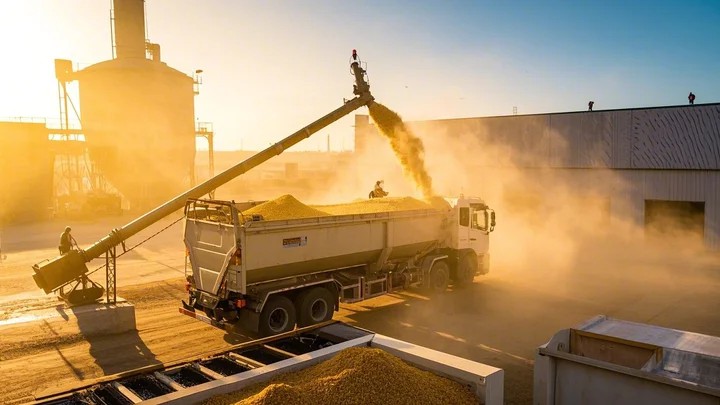
Lively. Term applied to a fresh wine with medium acidity and good keeping qualities. Wine having a brilliant colour.
充满活力的:用于描述酸度中等、贮藏性能优良的清新型葡萄酒。葡萄酒色泽灵动闪亮。
M
Mellow. The smoothness which quality wines acquire with age.Often associated with richness in extract and glycerine.
圆熟:优质葡萄酒经多年陈酿而获得的平顺品质,经常伴随着提取物丰富和甘油含量高而存在。

Metallic flavour. Unpleasant flavour of some wines heavily contaminated with metals.金属味:当一些葡萄酒被金属严重污染时所带有的令人不快的风味。
Mouldy taste, musty taste. Flavour imparted to a wine by mouldy grapes or storage in mouldy casks.
霉味:由于葡萄发霉或贮存在发霉的酒桶中而使葡萄酒带上的不良风味。
Mousiness. Disagreeable flavour and aroma of wines recalling the smell of mice results from bacterial infection.
鼠臭:令人联想起老鼠味的恶劣气味,是由细菌侵染葡萄酒造成的。
N
Nose. The bouquet and aroma of a wine. A wine has a good nose when it is well developed.
香气:葡萄酒中酒香和果香的统称。当葡萄酒发育良好时具有良好的香气。
O
Orange tint. Colour of certain white wines, which appear somewhat orange by reflected light.

橙色色调:白葡萄酒由于反射阳而呈现某种橙色的韵彩。
P
Pale rose. Light tawny colour which some red wines acquire on oxidation
洋葱皮色:一些红葡萄酒在氧化过程中所产生的浅茶色。
Pale wine. A red wine of a pale colour, almost rose.
淡色葡萄酒:颜色浅淡近乎桃红葡萄酒色的红葡萄酒。
Pasty, doughy. Term applied to some very heavily coloured wines rich in dry extract.浆状的、糊状的:用于描述某些颜色非常浓郁,富含干提取物的葡萄酒。
Pharmaceutical taste. Unpleasant taste sometimes acquired by wines sotred near odoriferous chemicals.
药味:当葡萄贮藏在有味的化学物质附近时,有时会带上的一种令人不快的杂味。
Pricked. Term applied to wines spoiled by acetic acid bacteria.
尖刺感的:用于描述葡萄酒受醋酸菌侵害而变质。
Putrid. Term applied to a wine having a foul nauseating odour of organic decomposition.
腐烂的:用于描述发出令人作呕的有机物质腐朽味的葡萄酒。
R
Rancio taste. A special taste and odour resulting from oxidation and developed during the aging of certain wines. A desirable character in old tawny ports and some other fortified wines.
哈味:某些葡萄酒在陈酿过程中由于氧化而产生的一种特殊的口感和气味。对茶色波尔图酒以及其他一些类型的加强葡萄酒而言这种口感和气味是人们所期待的特征。
Rich. Term applied to a well-balanced smooth wine rich in alcohol, extract and glycerine.
饱满的,馥郁的:用于描述酒精、提取物和甘油含量高,酒体平衡极佳,口感平顺的葡萄酒。
Round. The taste impression given by a supple, mellow wine which is not hard and which is full of finesse.
圆润:柔顺圆熟的葡萄酒所带来的品尝感受,这类葡萄酒不生硬,精妙灵巧。
Ruby. Bright red colour of certain wines. Such wines are free from brown or purple tints.
宝石红:一些葡萄酒所拥有的亮丽的红色,这类葡萄酒不带有棕色或紫色的色调。
S
Salty. One of the basic tastes, mainly due to mineral salts.
咸的:一种基本的味道,主要来自矿物盐类。

Sensory evaluation. Examination of a wine by the sense of sights, smell and taste
感官评价:通过视觉、嗅觉和味觉评价判断葡萄酒。
Smoke taste. The special taste of some wines, usually somewhat harsh and recalling that of smoke.
烟味、烟熏味:一些葡萄酒所具有的特殊味道,通常有些粗糙,令人联想起烟尘。
Sour-sweet, sweet-sour.
The taste of a wine which contains excess acid and is at the same time sweet. Sometimes due to the presence of mannitol and lactic acid formed by bacteria.
酸甜的、甜酸的:当甜葡萄酒中含有过量酸时的口感,有时是由于葡萄酒中存在甘露醇和由细菌产生的乳酸。
Spoiled, unsound. Term applied to wine showing some evidence of spoilage.
败坏的:用于描述表现破败和病害迹象的葡萄酒。
Stained wine. A white wine which has acquired a pink tint through being placed in casks which previously held red wine. Wine made from grapes with white juice and coloured skins, containing trace amounts of anthocyanins.
染色葡萄酒:由于储放在原先盛放红葡萄酒的容器中而浸染了粉色色调的白葡萄酒。也指以有色葡萄品种生产的白葡萄酒,酒液中带有极少量的果皮花色素。
Stale. Lack of bouquet and freshness of a wine through too much aeration or infection with film yeasts.
走味的、沉滞的:由于通风过度或受产膜酵母的侵染,葡萄酒变得缺乏香气及新鲜爽口感。
Subtle. Tasting term applied to aroma or perfume which is fine and delicate.
精妙的:用于描述葡萄酒的香气细腻精雅的品尝术语。
Sulphur taste. Taste of wine containing excess of SO2.
硫味、二氧化硫味:当葡萄酒中含有超量的二氧化硫时所具有的气味。
Supple, smooth, soft. Term applied to wines of quality which have a fine round texture, and pleasant to drink.
柔顺的、平滑的、柔软的:用于描述结构细腻圆润、适饮性好的优质葡萄酒。
T
Tart. Term applied to wine with high acidity made from grapes not completely rip.
酸的、尖酸的:用于描述以未完全成熟的果实酿制出的高酸度的葡萄酒。
Taste of lees. Unpleasant taste acquired by wines kept for too long on their lees.
酒渣味:由于葡萄酒与酒渣接触时间过长而带上的令人不快的味道。
Tastevin, tasting cup. A small shallow cup usually of silver used by a wine waiter for tasting wine.
不透明品尝杯:伺酒师用于品尝葡萄酒的小而浅的酒杯,通常为银制。
Tasting. Determining the quality and characteristics of wine by means of the organs of taste and smell.
品尝:通过味觉和嗅觉器官确定葡萄酒品质与风格的过程。
Tasting glasses. Glasses of special shape to enable one to appreciate the flavour of wines. They are used for tasting.
品尝杯、玻璃品尝杯:特殊形状的玻璃酒杯,使品尝者可以更好地欣赏葡萄酒的风味,专门用于品酒。
Thin. Term applied to a wine deficient in alcohol, extract and colour, which lacks of body.
单薄的:用于描述缺乏酒精含量、提取物和颜色,缺乏体量的葡萄酒。
Turbid, cloudy. Term applied to wine which is not clear because of the presence of large amounts of colloidal material or suspended particles.
浑浊的:用于描述存在大量的胶状物或悬浮颗粒而显得不澄清的葡萄酒。
U
Unbalanced. Term applied to a wine ini which the various components are not in harmonious proportions.
不平衡的:用于描述各种成分之间比例不协调的葡萄酒。
Unctuous. Term applied to wines which are smooth, soft and full on the palate.
肥厚的、丰满的:用于描述口感平顺、柔和、饱满的葡萄酒。
V
Varietal flavour, varietal character. Flavour or aroma characteristic of a particular variety of grape and which is evident in wines made from it.
品种风味、品种特征:特定葡萄品种所独有的风格或果香特征,在以这类葡萄酿造的葡萄酒中也明显存在。
Velvety. Term applied to fine wine which is mellow and soft as velvet.
天鹅绒般的:用于描述醇香、甘美、天鹅绒般柔和的优质葡萄酒。
Vinous.
1Term applied to a wine tasting as though it has a very high alcohol content.
2)Term applied to the basic odour and flavour of red wine.
葡萄酒的:1)指葡萄酒品尝时仿佛具有非常高的酒精含量。2)用于描述红葡萄酒的基本风味和香气。
Vintage, year of vintage. The year in which a wine was made. This date appears on the labels of wines made in particularly good years and is one reason for the enhanced value of such wines.
年份、酿酒年份:生产葡萄酒的那一年。优异年份酿造的葡萄酒在标签上有对年份的标注,是提高这些葡萄酒身价的一个原因。
Violet. Special aroma of certain wines resembling the perfume of violets.
紫罗兰:某些葡萄酒所具有的与紫罗兰香气类似的特殊果香。
W
Well-balanced. Tasting term used to indicate the harmony of wine components.
平衡良好的:用于表述葡萄酒中各种成分之间具有协调关系。
Wine taster. One who tastes wines to determine or compare their quality.品酒师、品酒员:品尝葡萄酒以确定或比较其品质的人。
酒精连续发酵是边糖化边发酵的。因为酒精发酵是酵母菌的作用,而酵母菌不能直接利用原料中的淀粉,需要先把淀粉转化为可利用的葡萄糖,所以糖化醪中必须有糖化酶的存在。
葡萄糖的转化率与酶的活力有直接关系,酶活力高,淀粉转化率高,酒精产量才能高。所以要随时测定糖化醪中的酶活力。
关于在发酵中怎么形容活力好和干撒式发酵床和活力发酵床对比哪个好的介绍到此就结束了,不知道你从中找到你需要的信息了吗 ?如果你还想了解更多这方面的信息,记得收藏关注本站。
版权声明:本文为 “好饲料网” 原创文章,转载请附上原文出处链接及本声明;